
The Evolution from Scheduled to Smart Cleaning
Traditional solar panel maintenance has historically relied on fixed cleaning schedules—calendar-based interventions determined by general guidelines rather than actual system needs. This conventional approach creates inevitable inefficiencies: some cleanings occur before they’re truly needed, while others come too late after significant production losses have already accumulated.
The emergence of intelligent soiling detection technologies represents a fundamental paradigm shift in solar panel maintenance, enabling the transition from rigid schedules to dynamic, data-driven cleaning decisions. This evolution delivers both economic and performance advantages that are transforming how solar assets are managed worldwide.
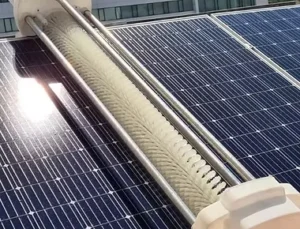
Understanding Soiling Sensor Technologies
Advanced soiling detection systems employ various sensing methodologies, each with unique capabilities and applications:
1. Optical Reflectance Sensors
These sophisticated systems measure light reflection from panel surfaces to quantify contamination levels:
- Spectral analysis: Evaluating specific light wavelength patterns to identify soiling types
- Reflectivity comparison: Measuring deviation from clean panel baseline measurements
- Non-contact advantages: Monitoring without physical interaction with panel surfaces
These optical technologies provide highly accurate soiling assessments without disrupting system operation. Our flagship product includes integrated optical sensing technology that enables precision monitoring.
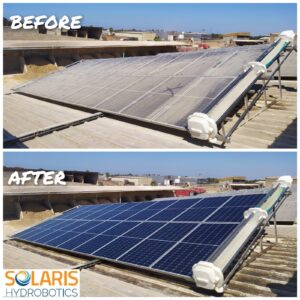
2. Comparative Performance Monitoring
These systems infer soiling by analyzing performance disparities between reference cells and operational panels:
- Clean reference cells: Protected sensors that maintain baseline performance measurement
- Ratio analysis: Calculating performance differences to determine soiling impact
- Distributed measurement: Multiple sensors providing location-specific soiling maps
This comparative approach delivers exceptional accuracy in quantifying actual production impact rather than merely physical soiling. Our monitoring systems use this technology to translate soiling into precise financial impact metrics.
3. Electrical Signature Analysis
Advanced systems that detect soiling through changes in panel electrical characteristics:
- I-V curve deviations: Identifying soiling through specific electrical performance patterns
- String comparison analytics: Detecting performance variations between panel groups
- Ambient condition normalization: Accounting for weather variables to isolate soiling effects
These sophisticated monitoring approaches integrate directly with existing inverter and monitoring infrastructure. Contact our technical team to learn about retrofit options for existing installations.
4. Weather-Based Predictive Models
Proactive systems that anticipate soiling based on environmental conditions:
- Multi-variable analysis: Combining humidity, particulate, wind, and precipitation data
- Historical correlation modeling: Learning site-specific soiling patterns over time
- Predictive alerts: Generating cleaning recommendations before significant losses occur
These predictive capabilities enable proactive rather than reactive maintenance strategies. Setting the alert thresholds correctly starts with knowing what a normal loss rate looks like for your climate, which is the subject of our review of how much energy dirty solar panels lose.
The Intelligence Layer: From Data to Cleaning Decisions
Raw sensor data alone provides limited value without sophisticated analysis and decision support systems:
1. Soiling Rate Analysis
Advanced algorithms that determine how quickly performance is degrading:
- Trend identification: Distinguishing gradual accumulation from sudden events
- Seasonal pattern detection: Identifying recurring soiling cycles
- Environmental correlation: Connecting soiling rates to specific weather events
These analytical capabilities enable accurate prediction of future cleaning requirements. Our analytics platform includes comprehensive soiling rate visualization and forecasting.
2. Economic Threshold Calculation
Intelligent systems that determine the optimal economic cleaning point:
- Dynamic cost-benefit analysis: Calculating when cleaning cost is justified by recovered production
- Energy price integration: Incorporating time-variable electricity values
- Resource availability adaptation: Adjusting recommendations based on cleaning resource constraints
This economic optimization ensures cleaning occurs precisely when financially justified. Our ROI calculator provides customized economic threshold analysis for specific installation parameters.
3. Cleaning Method Selection
Decision support tools that recommend specific cleaning approaches based on soiling characteristics:
- Soiling composition analysis: Identifying whether dry, wet, or specialized cleaning is required
- Intensity recommendation: Determining appropriate cleaning pressure and duration
- Resource optimization: Minimizing water and material consumption based on actual needs
These recommendations ensure that cleaning resources are applied effectively. Our cleaning protocol guide helps operators select optimal methods for their specific soiling conditions.
Integration with Autonomous Cleaning Systems
The full potential of soiling detection is realized through integration with automated solar panel cleaning systems:
1. Targeted Cleaning Activation
Systems that dispatch cleaning resources precisely where and when needed:
- Zone-specific deployment: Directing robots only to array sections requiring attention
- Cleaning intensity modulation: Adjusting pressure and detail based on soiling severity
- Resource conservation: Optimizing water and energy consumption through precise application
This targeted approach dramatically improves cleaning efficiency. Our autonomous systems feature direct integration with soiling sensors for fully automated response.
2. Closed-Loop Verification
Advanced systems that confirm cleaning effectiveness and adapt accordingly:
- Post-cleaning performance assessment: Verifying that expected output recovery was achieved
- Cleaning quality feedback: Providing data to refine future cleaning operations
- Continuous improvement algorithms: Learning optimal techniques for specific soiling types
This verification ensures cleaning effectiveness and drives ongoing optimization. Our monitoring dashboards include comprehensive before/after cleaning analysis.
3. Fleet Coordination Intelligence
For large installations, systems that optimize the deployment of multiple solar panel cleaning robots:
- Resource allocation algorithms: Assigning cleaning units to maximize overall system performance
- Path optimization: Calculating efficient routes to minimize transit time between cleaning zones
- Maintenance coordination: Scheduling robot servicing to maintain continuous cleaning capability
This coordination maximizes the effectiveness of robotic cleaning fleets. Our fleet management platform demonstrates how intelligent coordination enhances cleaning efficiency.
Case Study: Data-Driven Cleaning for Desert Solar Farm
A 75MW solar installation in an arid region demonstrates the transformative impact of intelligent soiling detection:
The Challenge
The installation faced complex cleaning decisions:
- Frequent dust accumulation with highly variable deposition rates
- Significant water constraints limiting conventional cleaning approaches
- Large array area making uniform cleaning economically challenging
- Substantial electricity value fluctuation throughout the day
The Solution: Integrated Soiling Intelligence
The implemented system featured:
- Distributed soiling sensor network: 24 monitoring points across the installation
- Dynamic cleaning threshold calculation: Adjusting based on real-time electricity pricing
- Predictive dust storm response: Accelerated cleaning before forecast weather events
- Zone-specific cleaning dispatch: Directing solar panel cleaning robots only to affected areas
The Results
The intelligent cleaning approach delivered exceptional results:
- 4.3% annual energy production increase compared to scheduled cleaning
- 64% reduction in cleaning water consumption
- 47% reduction in cleaning operational expenses
- Complete elimination of unnecessary cleaning operations
Similar intelligence solutions have demonstrated comparable results across various installation types and environments.
Specialized Applications for Different Installation Types
The implementation of soiling detection varies significantly based on installation type:
Utility-Scale Solar Farms
Large installations benefit from comprehensive sensing networks:
- Multi-point monitoring grids: Sensors distributed geographically across the installation
- Microclimate analysis: Identifying location-specific soiling patterns within large arrays
- Resource allocation intelligence: Optimizing cleaning team or robot deployment across vast distances
These large-scale solutions maximize cleaning efficiency across extensive arrays. Our utility-scale programs include complete sensor networks with centralized monitoring.
Commercial Rooftop Systems
Business installations require specialized monitoring approaches:
- Access-conscious sensors: Units designed for limited-access rooftop environments
- Business operation coordination: Cleaning recommendations synchronized with facility activities
- Visual impact monitoring: Additional attention to aesthetic concerns for visible installations
These tailored solutions address the unique requirements of commercial settings. Our commercial packages include business-specific optimization parameters.
Residential Applications
Home solar systems benefit from simplified yet effective monitoring:
- Affordable sensing options: Cost-effective solutions scaled for smaller installations
- Homeowner interface focus: User-friendly alerts and recommendations
- Service provider integration: Direct communication with cleaning service companies
These accessible solutions bring enterprise-level intelligence to residential settings. Contact our residential team for home-specific soiling detection options.
Advanced Technology Trends in Soiling Detection
Several emerging technologies promise to further enhance detection capabilities:
1. Drone-Based Inspection Systems
Aerial platforms offering comprehensive visual assessment:
- Thermal imaging capability: Identifying hotspots caused by uneven soiling
- High-resolution surface mapping: Creating detailed contamination distribution models
- Rapid large-area assessment: Covering extensive arrays in minimal time
These aerial technologies enable unprecedented inspection speed and detail. Our research blog tracks developments in drone-based soiling assessment.
2. Machine Learning Soiling Prediction
Advanced AI systems that forecast contamination before it impacts performance:
- Multi-variable pattern recognition: Identifying complex relationships between weather conditions and soiling
- Site-specific learning: Developing customized prediction models for each installation location
- Continuous accuracy improvement: Systems that become more precise with operational experience
These intelligent predictions enable truly proactive maintenance. Our AI roadmap outlines upcoming capabilities in predictive soiling intelligence.
3. Integrated Panel-Level Sensing
Next-generation panels with built-in monitoring capabilities:
- Embedded sensor technology: Monitoring built directly into panel construction
- Distributed intelligence: Processing and analysis at the panel level
- Micro-zone cleaning activation: Directing resources to individual panel precision
This integration represents the future of solar monitoring technology. Our technology partnerships include collaboration with leading panel manufacturers on integrated sensing.
Implementation Strategy: Building an Intelligent Cleaning Program
Developing an effective soiling detection system involves several key phases:
1. Site-Specific Assessment
Before selecting specific technologies, comprehensive site evaluation is essential:
- Historical soiling analysis: Understanding past contamination patterns and impacts
- Environmental factor mapping: Identifying key variables influencing local soiling
- Economic impact quantification: Calculating the specific cost of soiling for the installation
This foundation ensures appropriate technology selection. Our assessment protocols provide comprehensive site characterization services.
2. Sensing Technology Selection
Based on assessment results, appropriate monitoring approaches can be selected:
- Coverage optimization: Determining the ideal number and placement of sensors
- Technology matching: Selecting specific sensing approaches suitable for the environment
- Integration planning: Ensuring compatibility with existing monitoring and cleaning systems
This targeted selection maximizes value while minimizing complexity. Our technology selector guides operators through this critical decision process.
3. Intelligence Layer Configuration
The analytical systems must be customized to site-specific parameters:
- Threshold calibration: Setting appropriate cleaning trigger points based on economics
- Seasonal adjustment programming: Adapting sensitivity to varying environmental conditions
- Alert and reporting customization: Configuring communication flows for operational teams
This configuration ensures the system delivers actionable intelligence. Our setup guides provide step-by-step customization protocols.
4. Operating Team Training
Human operators must understand how to interpret and act on system recommendations:
- Data interpretation workshops: Building understanding of soiling analytics
- Decision support training: Developing skills in translating alerts into action
- Continuous improvement processes: Establishing feedback mechanisms for ongoing optimization
This human element remains crucial despite automation. Our training programs include comprehensive operator certification.
Economic Analysis: The ROI of Intelligent Soiling Detection
The business case for soiling detection goes beyond simple cleaning cost reduction:
1. Direct Production Benefits
Intelligent cleaning typically delivers significant output improvements:
- Reduced soiling losses: Typically 2-5% annual production increase versus scheduled cleaning
- Peak production preservation: Particularly valuable during high-value generation periods
- Performance consistency: More stable output benefiting grid integration and forecasting
These production gains often represent the most significant direct benefit. Our performance calculators help quantify these potential improvements.
2. Resource Optimization Value
Beyond production, significant operational savings typically emerge:
- Cleaning frequency optimization: Often reducing total cleaning operations by 30-50%
- Water consumption reduction: Particularly valuable in water-constrained environments
- Labor efficiency improvement: More effective utilization of maintenance personnel
These resource savings substantially enhance overall ROI. Our sustainability impact tools help quantify these resource conservation benefits.
3. Equipment Longevity Impact
Intelligent cleaning contributes to system preservation:
- Reduced abrasion damage: Minimizing unnecessary cleaning that causes microscopic wear
- Hotspot prevention: Avoiding thermal stress from uneven soiling
- Corrosion mitigation: Preventing moisture traps in soiling accumulation zones
These preservation benefits extend system lifetime value. Our lifecycle assessment helps quantify these long-term benefits.

Conclusion: The Future of Data-Driven Solar Maintenance
As solar installations continue to grow in scale and economic importance, the shift from scheduled to intelligent cleaning represents a critical evolution in maximizing returns while minimizing resource consumption. Advanced soiling detection systems deliver the precise information needed to optimize when, where, and how cleaning occurs—transforming maintenance from a calendar-driven expense to a data-optimized investment.
The integration of these intelligent systems with automatic solar panel cleaning technologies creates particularly powerful synergies, enabling fully autonomous maintenance optimization that continuously adapts to changing environmental conditions and economic parameters.
For forward-thinking solar asset managers seeking to maximize returns while minimizing costs, implementing advanced soiling detection represents one of the most impactful technology investments available. The combination of improved production, reduced expenses, and extended system life delivers compelling ROI across virtually all installation types and environments.
To explore how your specific installation can benefit from intelligent soiling detection and cost-effective solar panel cleaning, contact our sensing specialists for a comprehensive assessment and customized implementation plan.