Tips
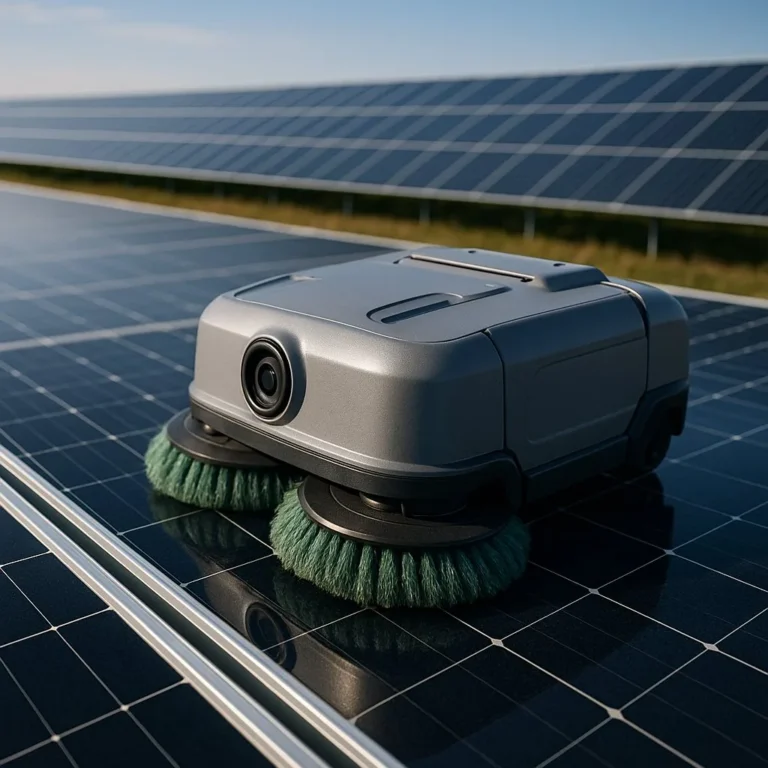
Does Robotic Cleaning Void Your Solar Panel Warranty?
Compliance is a specification question, not a machine question The first question asset owners ask about a cleaning system is rarely how well it cleans.

Compliance is a specification question, not a machine question The first question asset owners ask about a cleaning system is rarely how well it cleans.
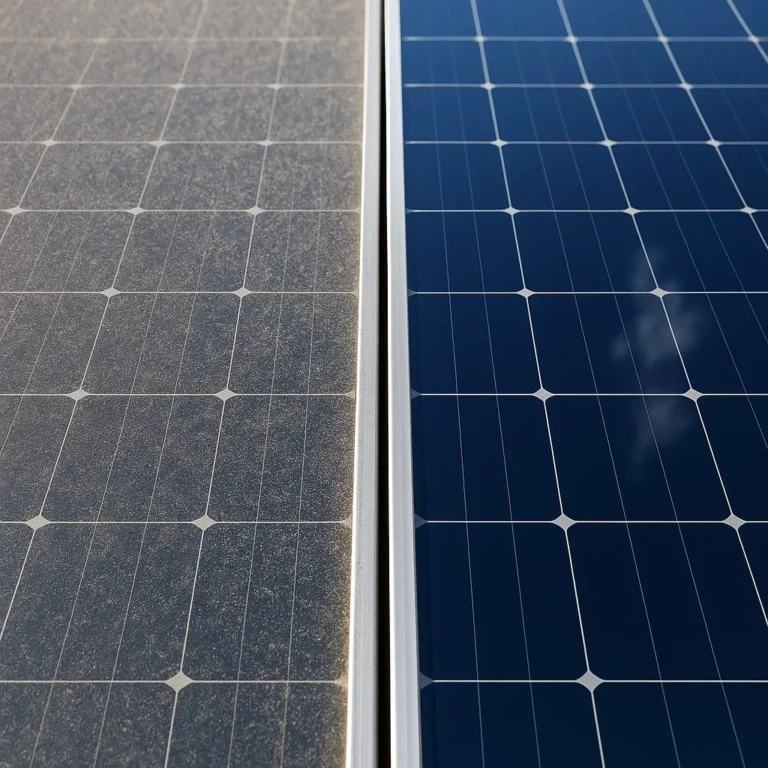
The number is a rate, not a constant Ask five people in the solar industry how much output dirty panels lose and you will get

Pay for the outcome, not the activity Look at the cleaning clause in almost any solar O&M contract and you will find the same sentence:
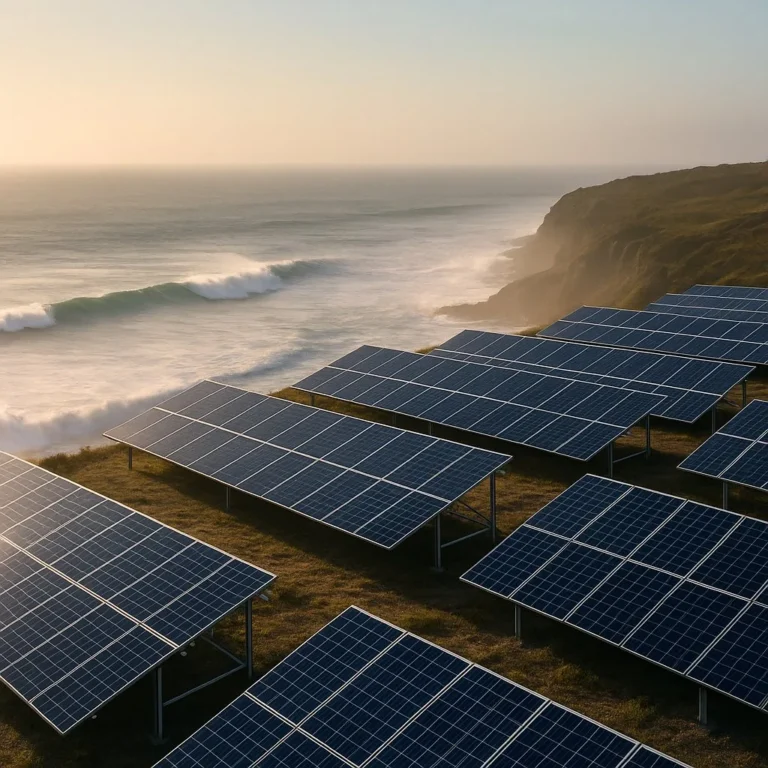
Coastal soiling is chemistry, not just dust Desert soiling is dust that sits on glass until something removes it. Coastal soiling is chemistry. Sea salt
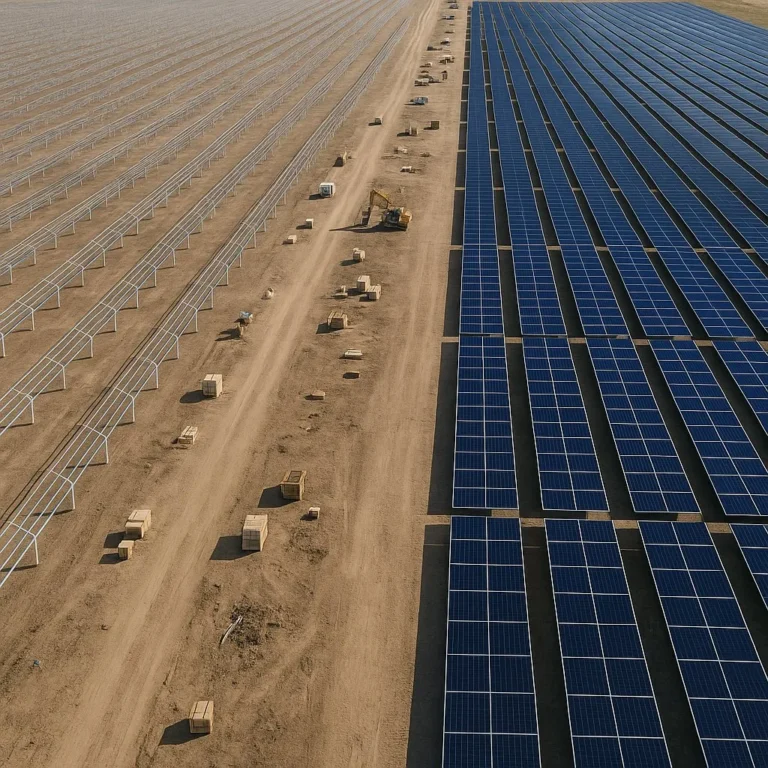
Geometry decided here sets O&M cost for 25 years Retrofitting a cleaning robot onto a finished solar plant is always possible. It is just more

What the water leaves behind decides the result Two crews wash the same block of modules on the same morning with the same brushes. One
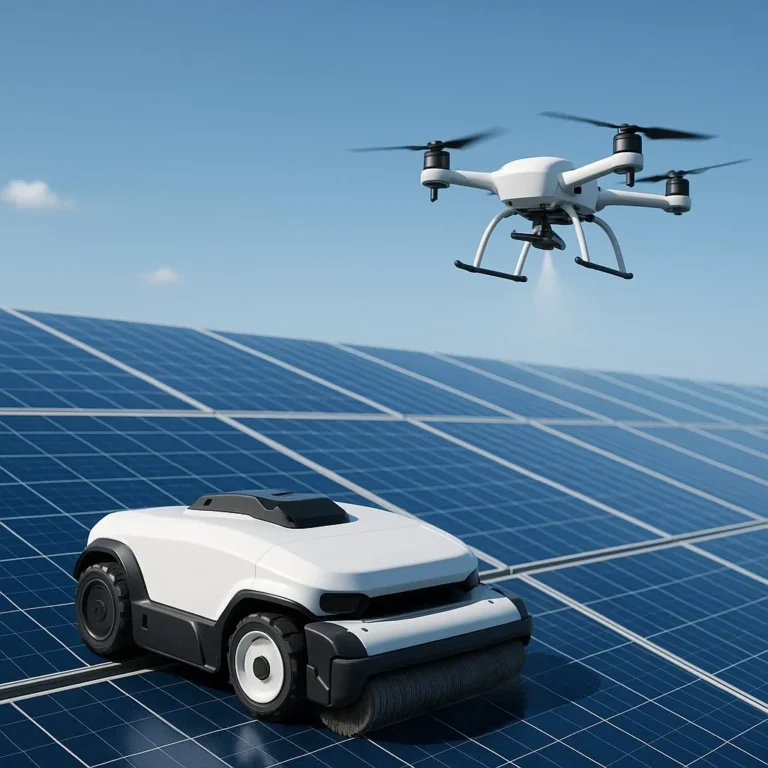
Robots vs drones for solar panel cleaning – how each works, coverage, cleaning power, and cost. See which actually keeps large PV sites clean and productive.
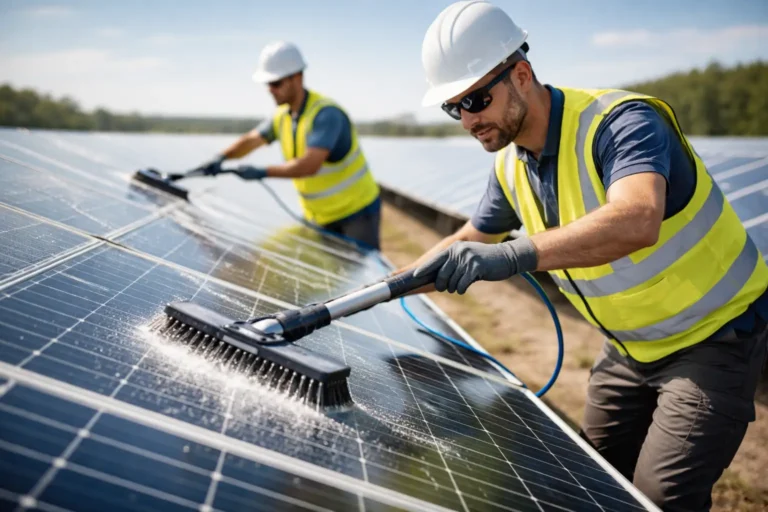
Maximizing the performance of solar installations depends heavily on how clean the panels are and how often they are maintained. This Solar Maintenance: Cleaning Frequency
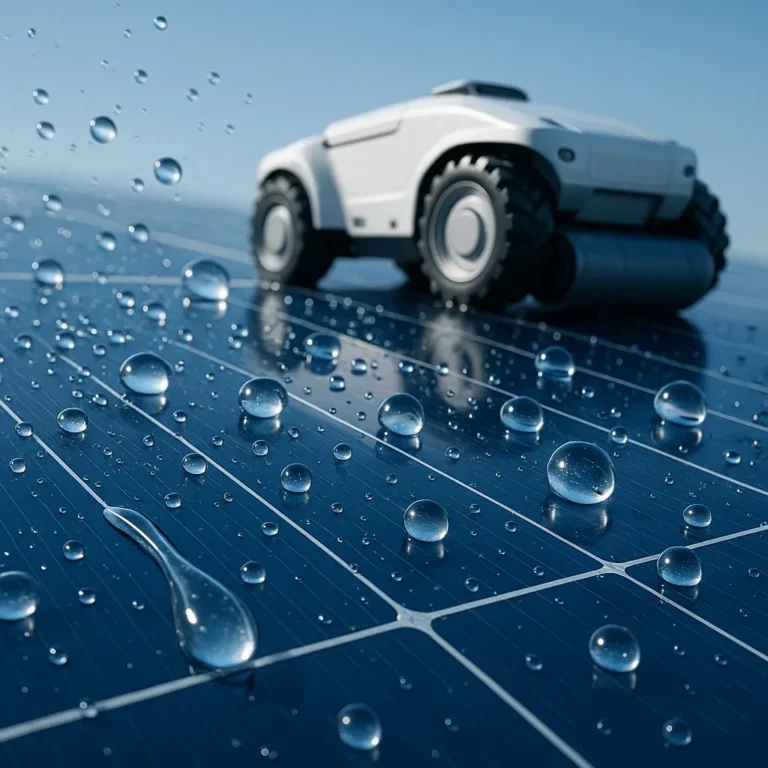
Do anti-soiling coatings replace cleaning? Compare coatings and robotic cleaning – how each works, their limits, and why the two work best together.
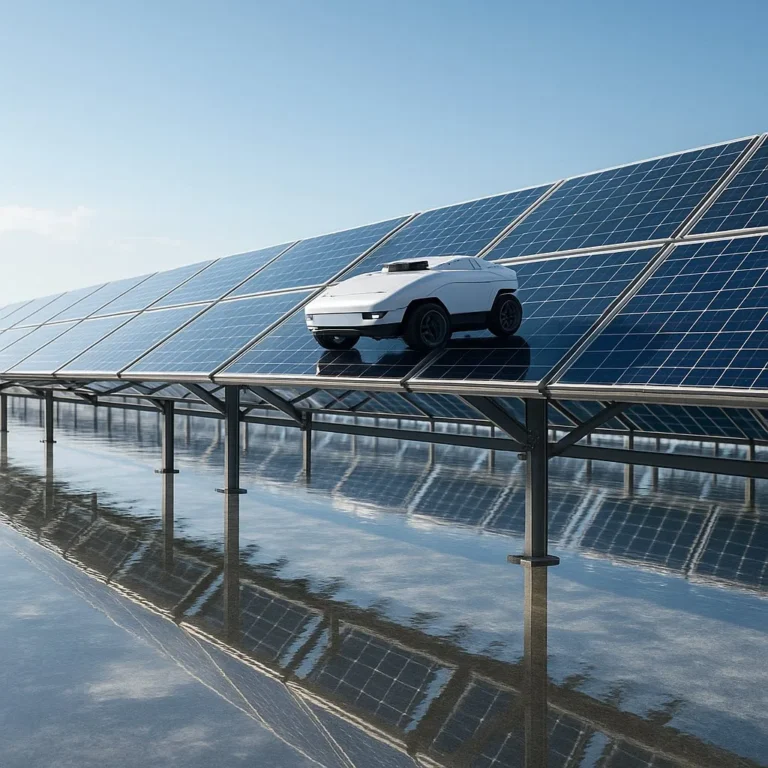
Bifacial panels generate from both sides, so soiling costs more – and the rear side is harder to clean. How robotic cleaning keeps bifacial arrays at peak yield.
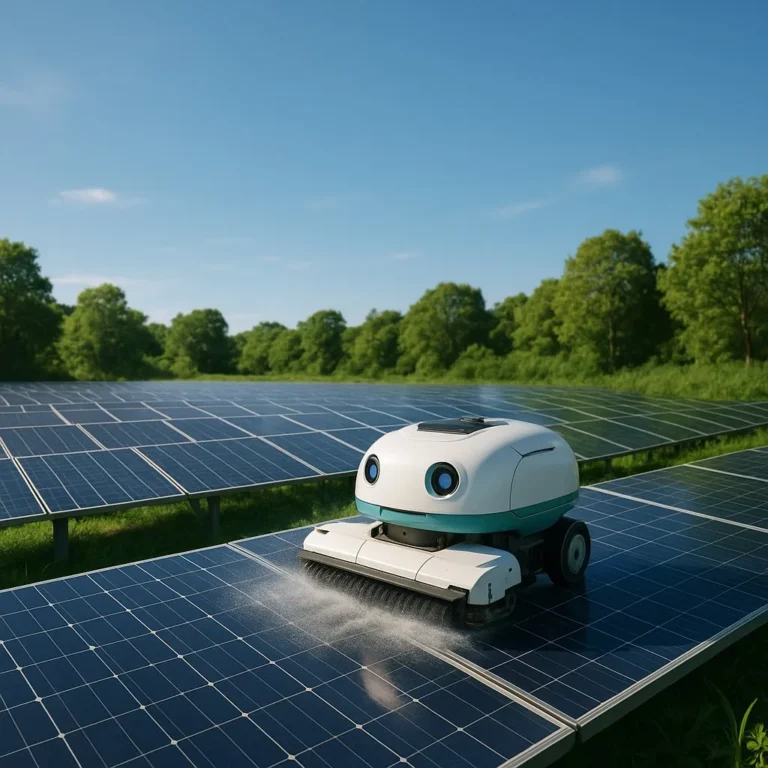
Solar cleaning has its own footprint – water, power, and waste. See how water-based, grid-free robotic cleaning makes solar maintenance genuinely sustainable.
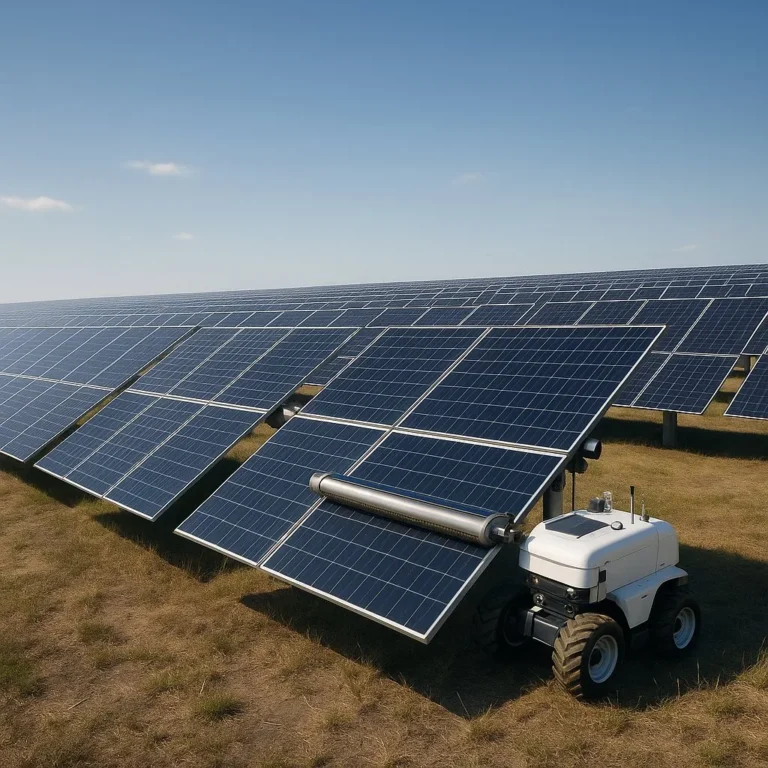
Single-axis trackers move panels through the day, which complicates cleaning. How autonomous robotic cleaning adapts to tracker arrays and keeps them at peak yield.
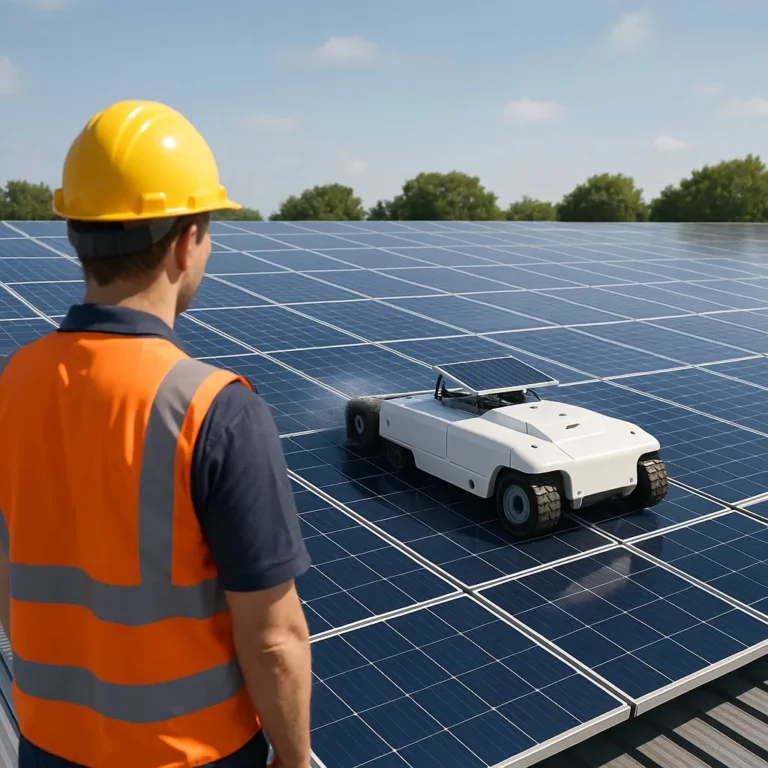
Manual solar cleaning means working at height with real fall risk. See how robotic, autonomous cleaning removes the hazard – and cuts insurance and compliance costs.
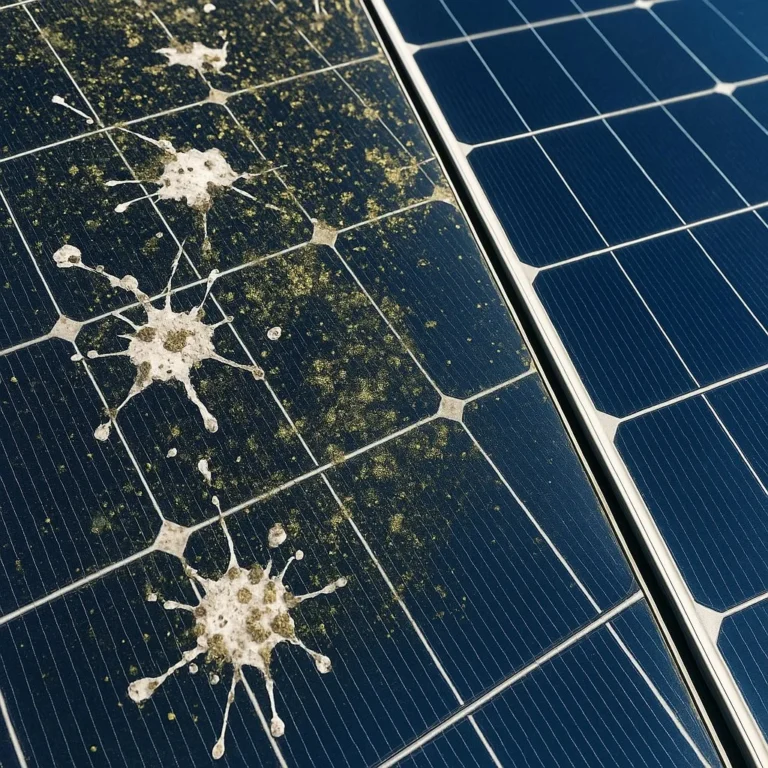
Why organic soiling like bird droppings and pollen is harder on solar panels than dust – the hot-spot risk, and how robotic cleaning removes stuck-on grime.
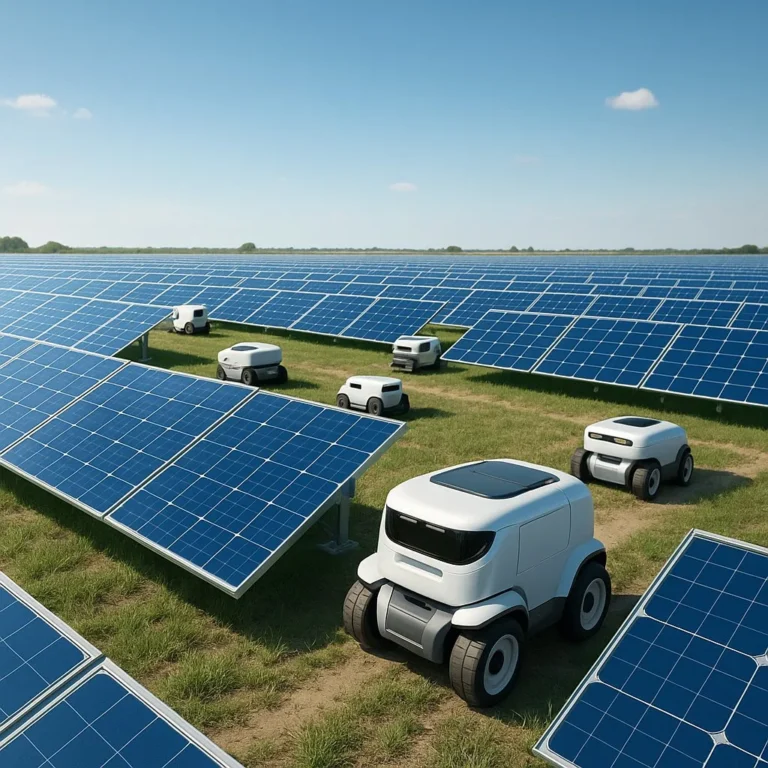
How solar O&M automation works and why cleaning is the biggest manual gap to close – build autonomous, data-driven cleaning into your maintenance program.
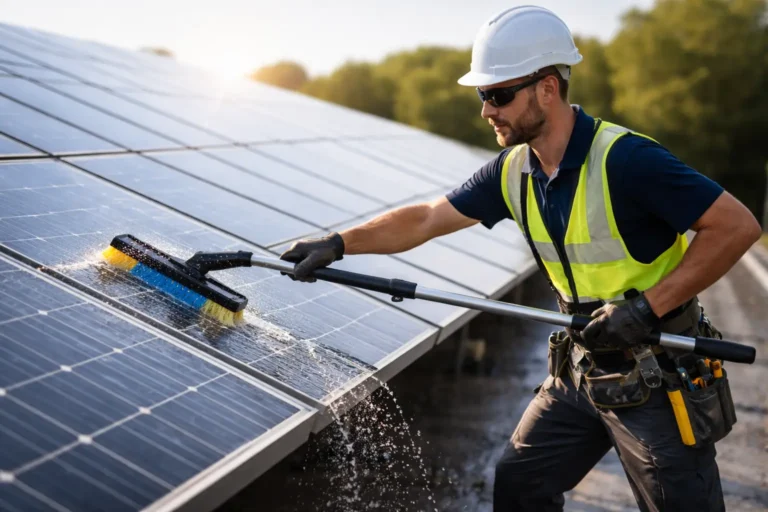
בעולם שבו אנרגיה מתחדשת הולכת ותופסת מקום מרכזי, מערכות סולאריות הפכו לחלק חיוני בייצור החשמל הביתי והתעשייתי. אך כדי ליהנות מתפוקה מרבית, חשוב להקפיד על
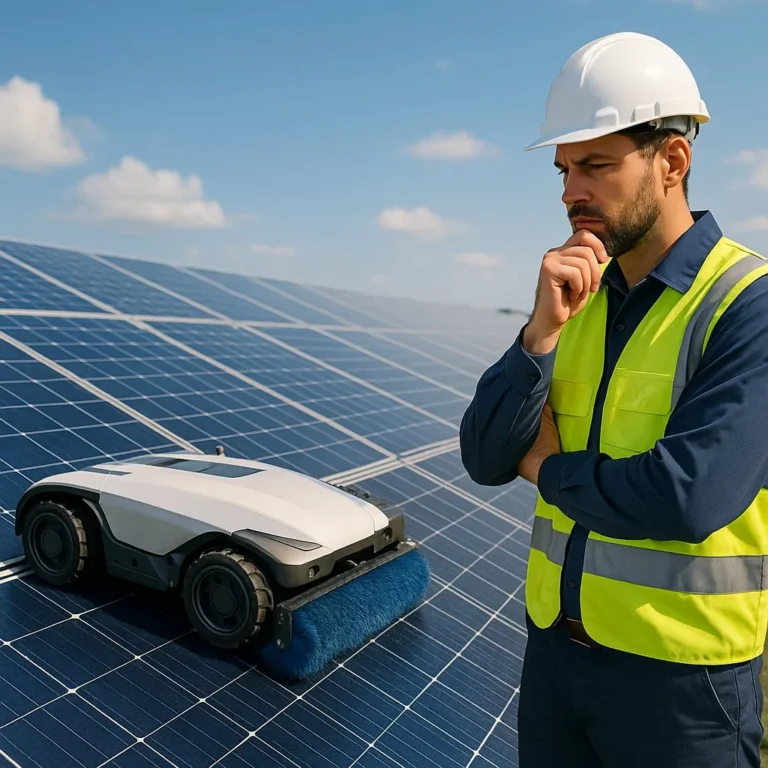
A practical buyer’s guide to choosing a solar panel cleaning robot – power, rails, water use, cleaning strength, autonomy, and support. Match the robot to your site.

How IoT and remote monitoring turn robotic solar cleaning into a data-driven operation – dashboards, alerts, and condition-based cleaning for smarter O&M.
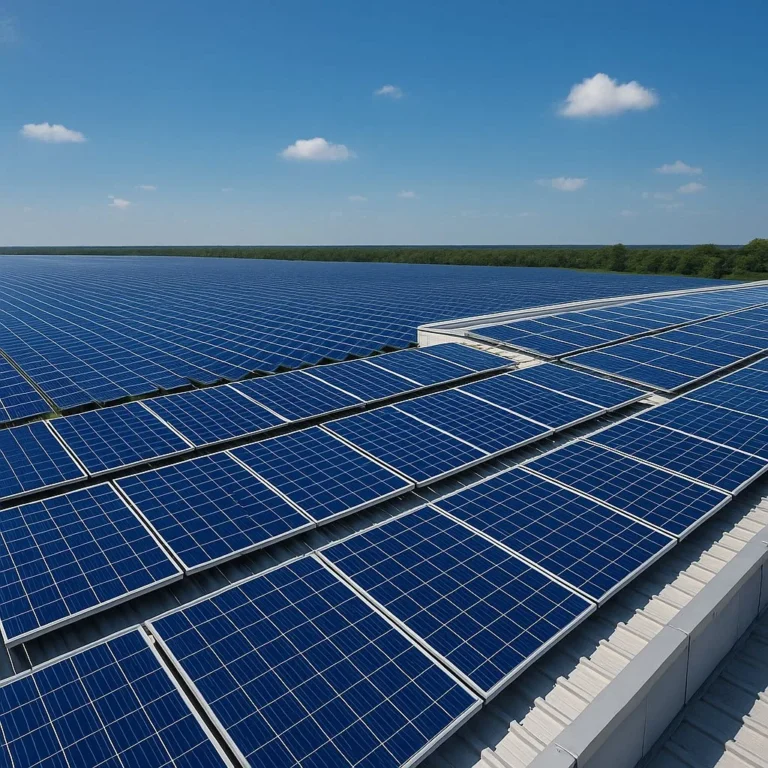
How solar cleaning differs for utility-scale farms vs commercial installations – challenges, costs, and how robotic cleaning fits each. Choose the right approach.
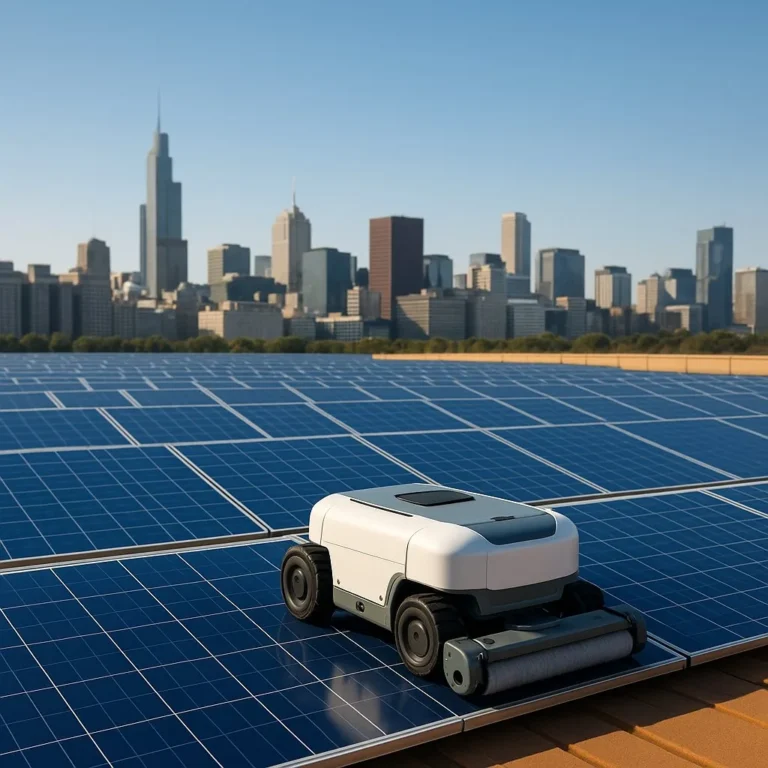
How rooftop solar panel cleaning robots work, why they cut safety risk and boost yield on commercial roofs, and what to look for when choosing one.
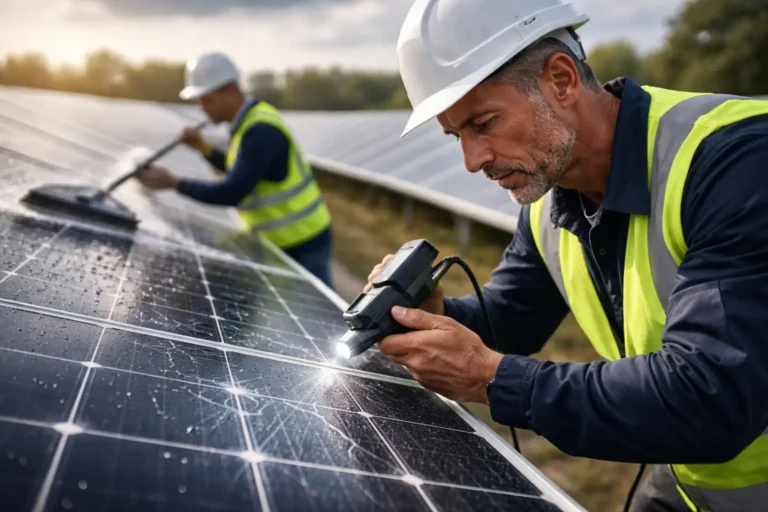
Micro-cracks in photovoltaic (PV) panels are one of the most underestimated threats to long-term solar farm performance. Cleaning is essential for preventing energy losses from
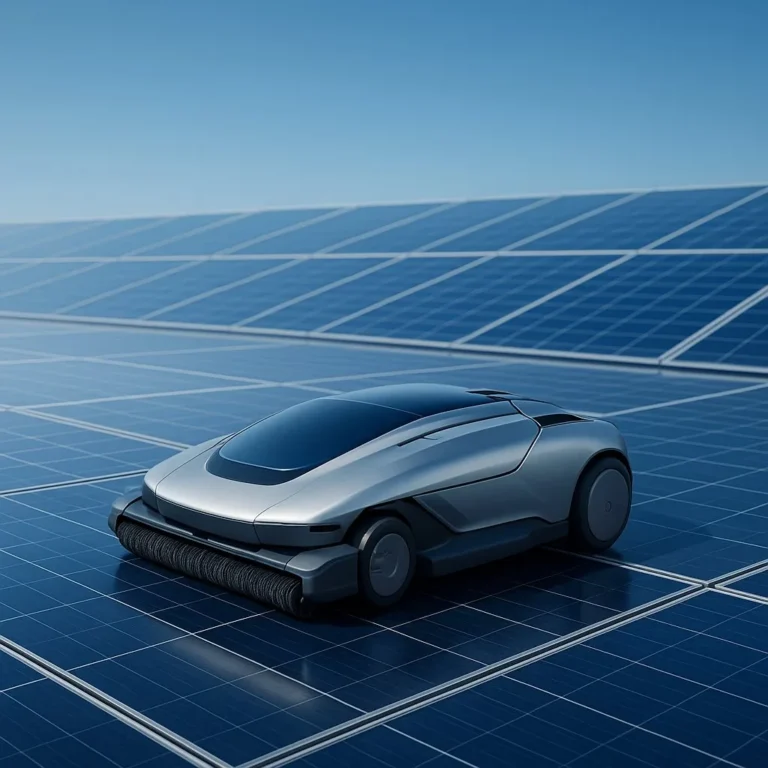
Compare rail-free and rail-based solar cleaning robots – installation cost, flexibility, shading, and maintenance – and see which fits large PV sites best.
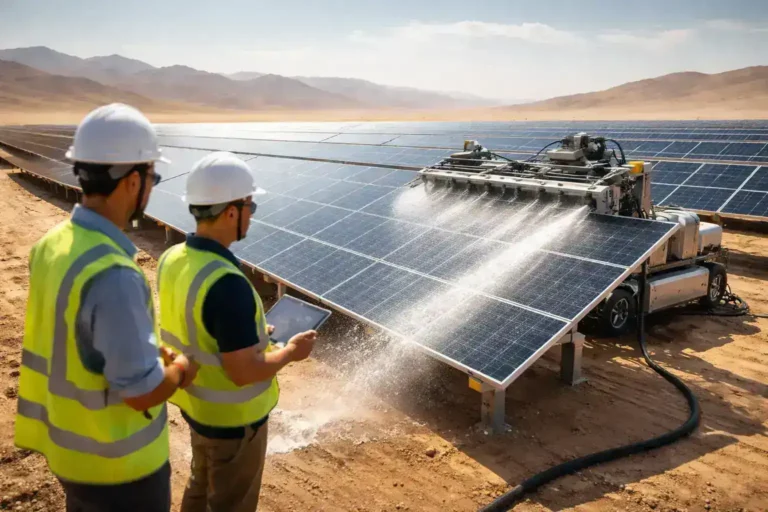
Water management in arid-region solar farms is often the deciding factor between profitable, reliable energy production and underperforming assets. Dust and sand rapidly reduce panel
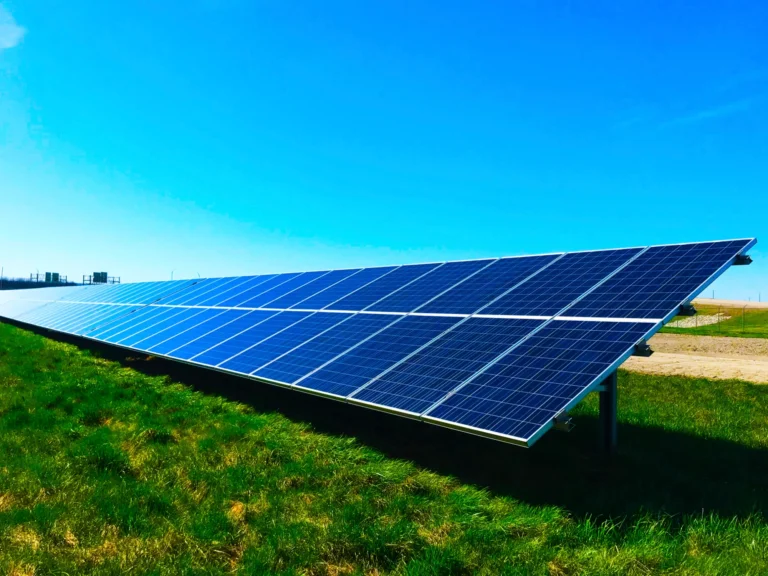
The Evolution from Scheduled to Smart Cleaning Traditional solar panel maintenance has historically relied on fixed cleaning schedules—calendar-based interventions determined by general guidelines rather than
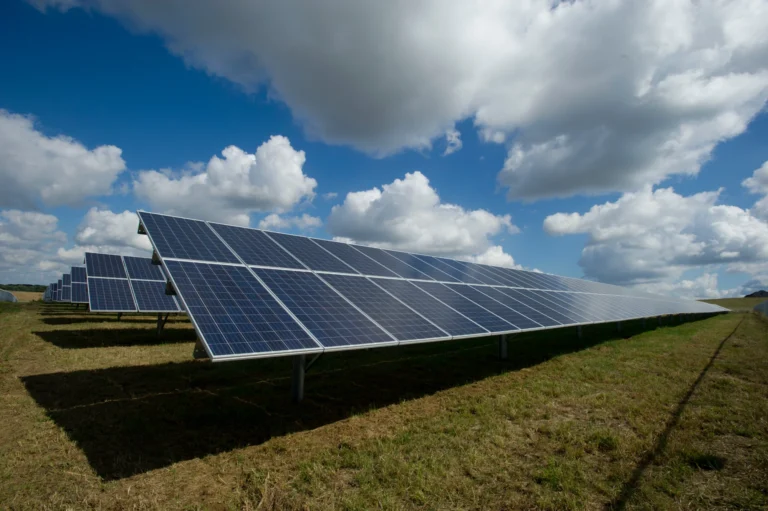
Understanding the True Cost of Solar Panel Soiling When discussing the impact of soiling on solar installations, conversations typically focus on immediate energy production losses.
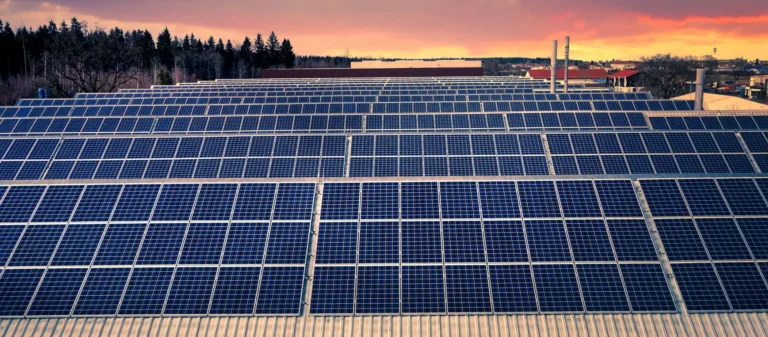
The Critical Impact of Climate on Solar Maintenance Requirements Solar installations operate across dramatically different environmental conditions worldwide, from scorching deserts to humid coastal regions
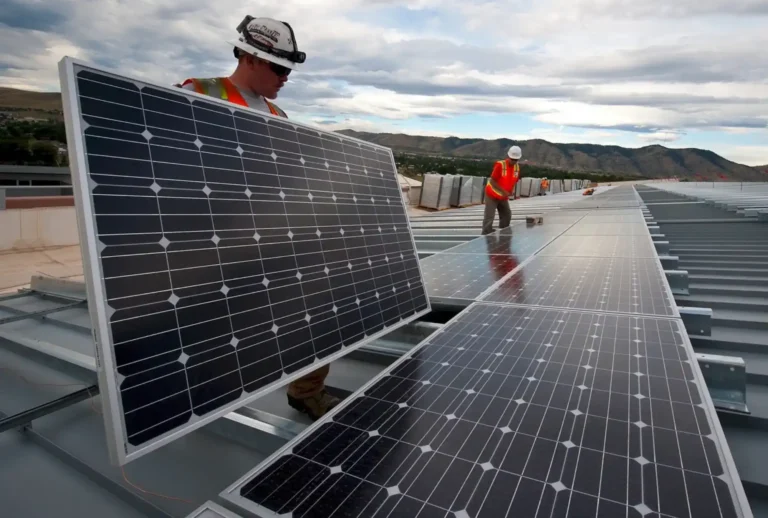
The Evolution Imperative in Solar Maintenance As solar installations mature and expand, many operators find themselves at a critical decision point in their maintenance strategy.
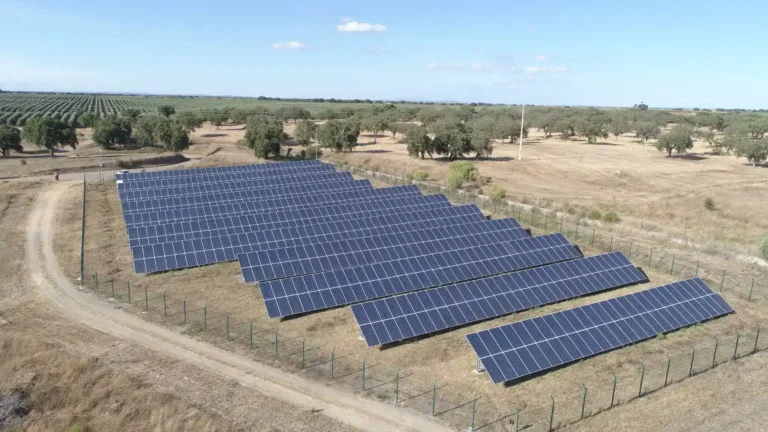
The Emerging Frontier of Floating Solar Technology Floating photovoltaic (FPV) systems—solar panels deployed on water bodies—represent one of the fastest-growing segments within the solar industry.
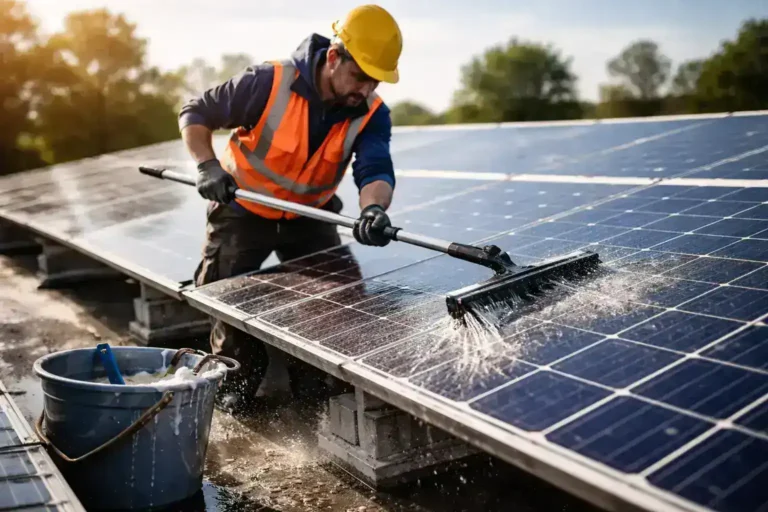
Even a thin layer of dust can cut solar panel output by as much as 30 percent in dry climates, turning clean energy assets into
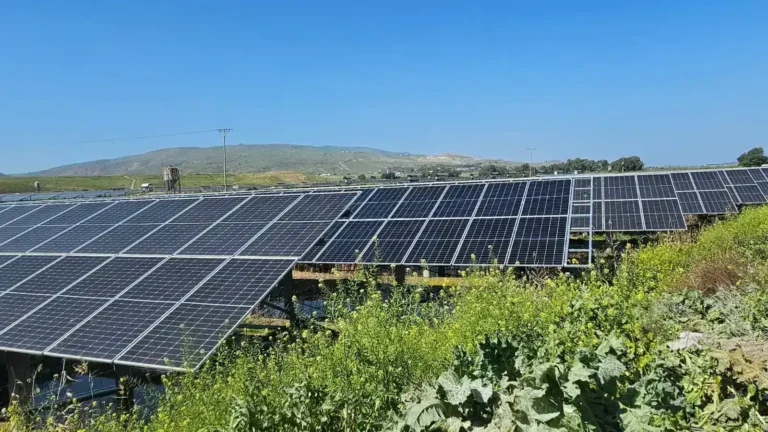
Compare wet and dry solar panel cleaning methods – cost, water use, and results – and see which fits desert, coastal, or commercial PV installations.

See how autonomous, water-powered cleaning robots cut solar O&M costs and pay for themselves – real ROI figures for commercial and utility-scale PV farms.
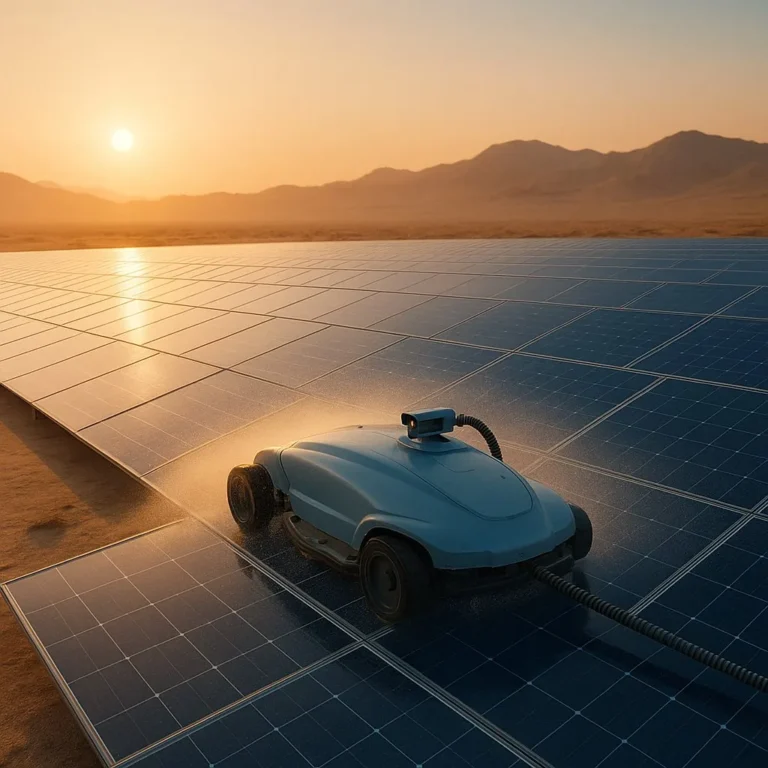
See how water-powered, hydraulic solar panel cleaning robots clean PV arrays with no grid electricity, no rails, and no operator – and why it protects energy yield.

How Solar Panel Cleaning Robots Revolutionize Maintenance In the modern world of solar energy, solar panel cleaning robots are a game changer. T hese automated
The Unique Maintenance Challenges of Agrivoltaics Agrivoltaic systems—which combine agricultural production with solar energy generation on the same land—represent one of the most promising innovations