
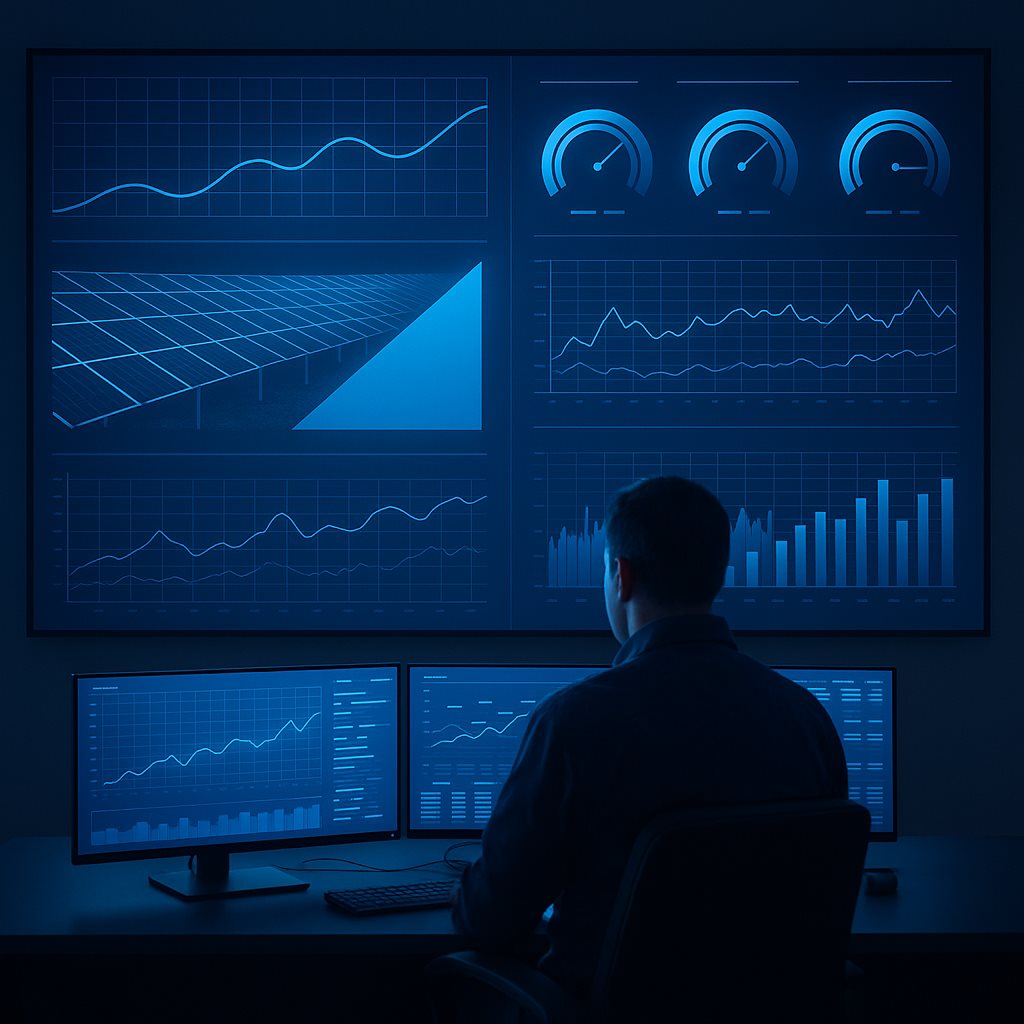
A cleaning robot that you cannot see or measure is just a machine on a roof. Connect it to the cloud, and it becomes something far more useful: a source of live data about how clean your panels are, how much energy you are recovering, and when to clean next. That shift – from blind hardware to a monitored, data-driven system – is what IoT brings to robotic solar cleaning.
Why Monitoring Matters in Solar Cleaning
Cleaning without measurement is guesswork. You do not know whether panels are actually clean, whether a cycle completed, or whether the effort is paying for itself. Remote monitoring closes that loop. It tells operators what happened, what it achieved, and what needs attention – turning cleaning from a scheduled chore into a managed, accountable part of operations.
What a Cleaning Dashboard Shows You
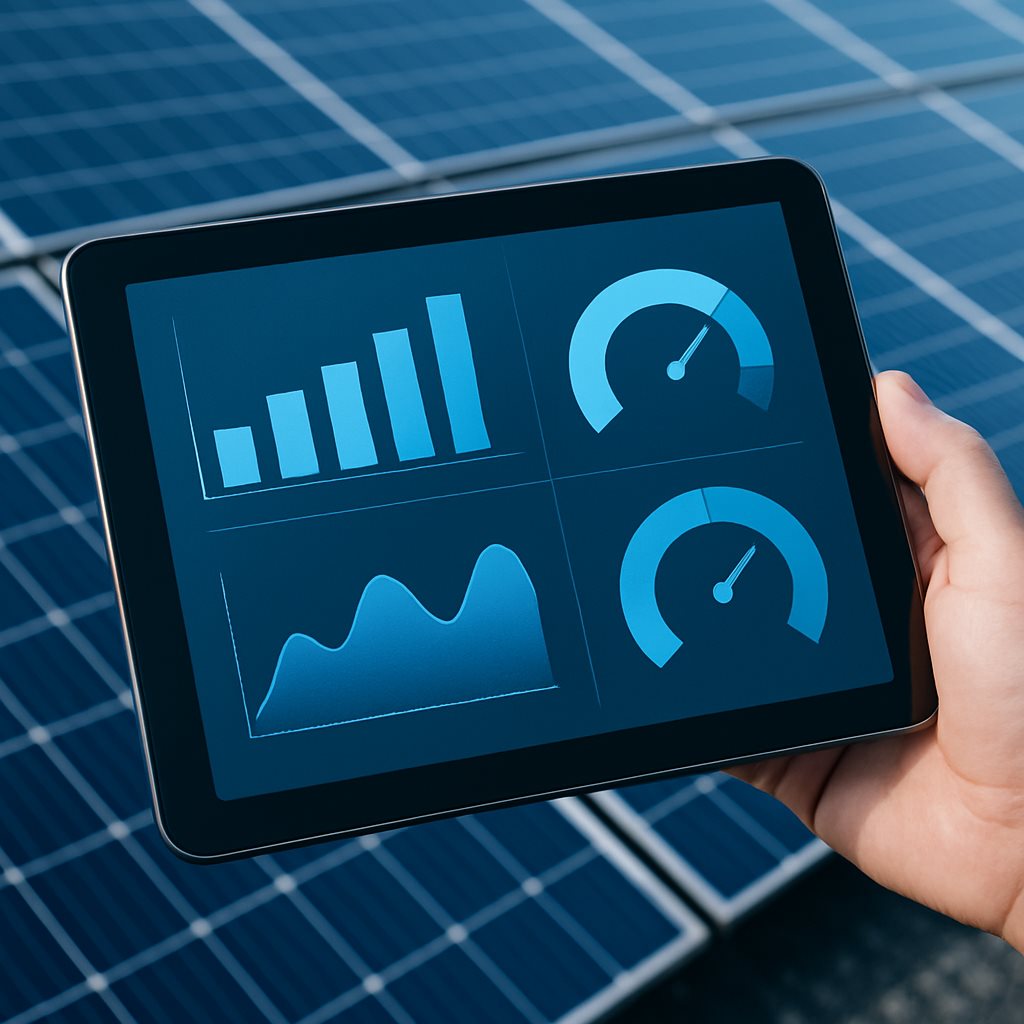
A modern cleaning robot dashboard pulls the robot’s activity and the array’s performance into one view. Typically that includes:
- Cleaning status – which sections were cleaned, when, and whether cycles completed successfully
- Performance impact – output before and after cleaning, so you can see the yield recovered
- Alerts and faults – immediate flags if a robot needs attention, before problems compound
- Historical trends – soiling and recovery over time, to fine-tune the whole program
Solaris systems expose this through a dedicated software dashboard, so the whole fleet is visible from anywhere.
IoT and Remote Control
Connecting robots over IoT means operators do not have to be on site to manage cleaning. Status, alerts, and reports flow to a central dashboard, and cleaning can be managed remotely across multiple installations. For portfolios spread over many sites, that remote visibility is what makes a large cleaning operation manageable by a small team. It also underpins the autonomous, no-operator model described on our how it works page.
Condition-Based Cleaning, Driven by Data
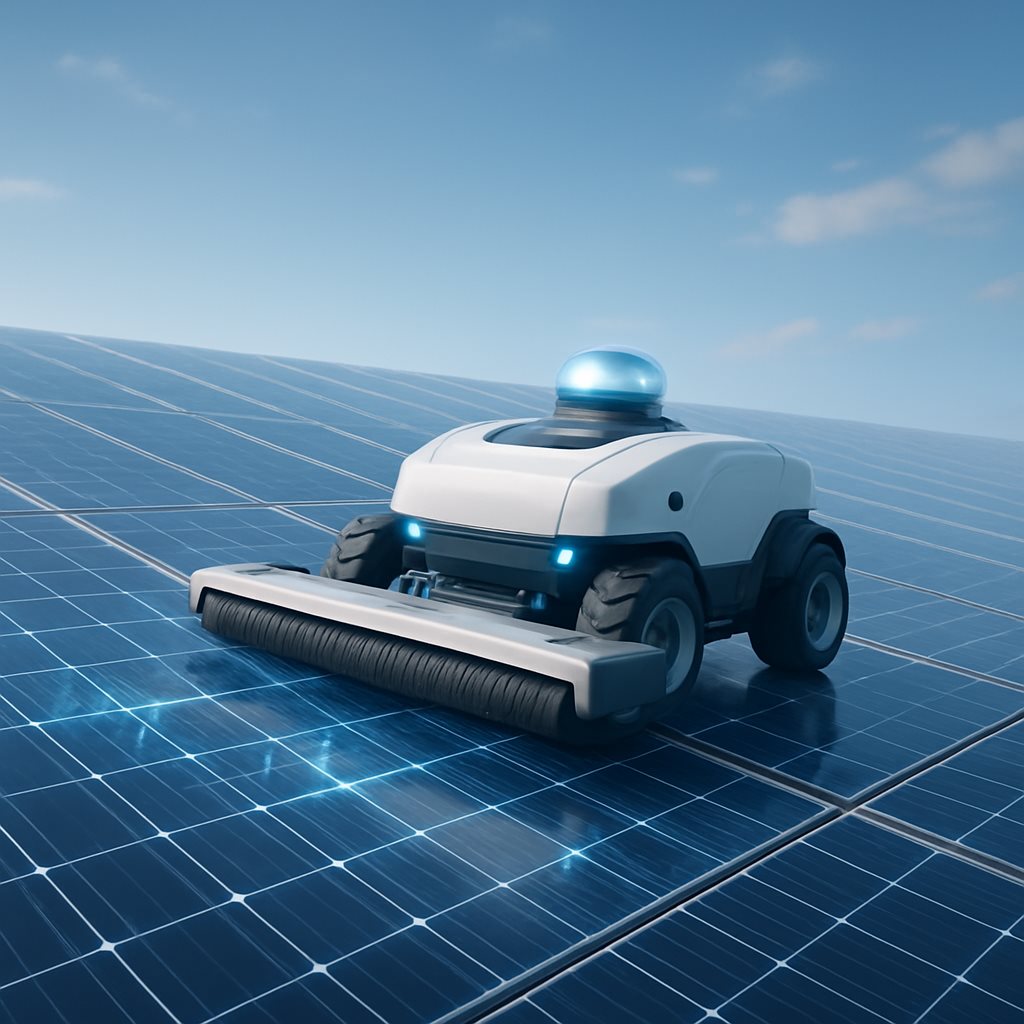
The biggest payoff of monitoring is smarter timing. Instead of cleaning on a fixed calendar, a connected system can trigger cleaning based on actual soiling and production loss – cleaning when it pays to, not before. This condition-based approach recovers more energy for less effort, and it is only possible when you can measure soiling in the first place. Our cleaning frequency guide explains why data beats a calendar every time.
Integrating With Your O&M
Monitoring data does not live in isolation – it feeds the wider operations and maintenance picture. Cleaning records, yield recovery, and fault alerts become inputs to O&M planning and reporting, and they help prove the return on the cleaning investment. That evidence is exactly what strengthens the ROI case for autonomous cleaning.
The Bottom Line
IoT and remote monitoring turn robotic cleaning from a black box into a measurable, manageable operation. With a live dashboard, remote control, and condition-based cleaning, operators clean smarter, prove the value, and catch problems early. To see the monitoring behind Solaris robots, request a demo.
Frequently Asked Questions
What does a solar cleaning robot dashboard show?
It shows cleaning status and history, the energy recovered after each cycle, fault alerts, and soiling trends over time – giving operators a complete view of both the robot and the array’s performance.
Can I monitor cleaning robots remotely across multiple sites?
Yes. IoT-connected robots report to a central dashboard, so status, alerts, and reports from many installations can be managed remotely by a small team.
What is condition-based cleaning?
It means cleaning based on measured soiling and production loss rather than a fixed schedule, so panels are cleaned when it actually pays off – which recovers more energy for less effort.
How does monitoring improve cleaning ROI?
By showing exactly how much yield each cleaning recovers and flagging faults early, monitoring both optimizes cleaning timing and provides the evidence needed to prove the investment’s return.
Does remote monitoring replace on-site staff?
It reduces the need for them. Because robots run autonomously and report remotely, routine cleaning no longer requires crews on site, though people still oversee the system through the dashboard.