
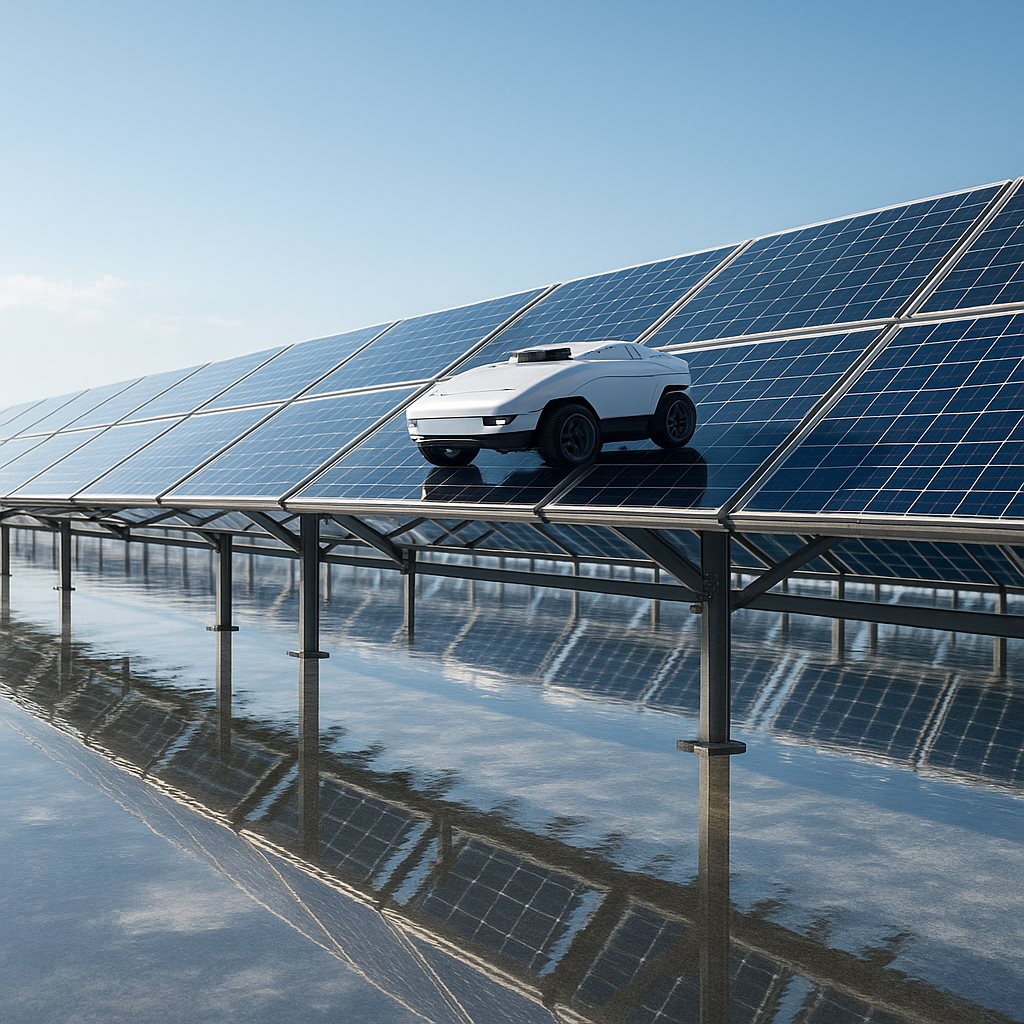
Bifacial panels have become the default for many new utility-scale projects, and for good reason – they capture light on both faces and squeeze more energy out of the same footprint. But that second face changes the maintenance math. When both sides generate power, soiling costs more, and keeping the array clean takes more thought. Here is what cleaning bifacial solar panels really involves.
What Makes Bifacial Panels Different
A conventional panel produces power only from its front. A bifacial panel also generates from its rear face, using light reflected off the ground or mounting surface. That rear contribution – the “bifacial gain” – can add a meaningful percentage to total output. It also means the panel’s productivity now depends on two surfaces staying clean and on the ground beneath reflecting well.
Why Cleaning Matters More for Bifacial Panels
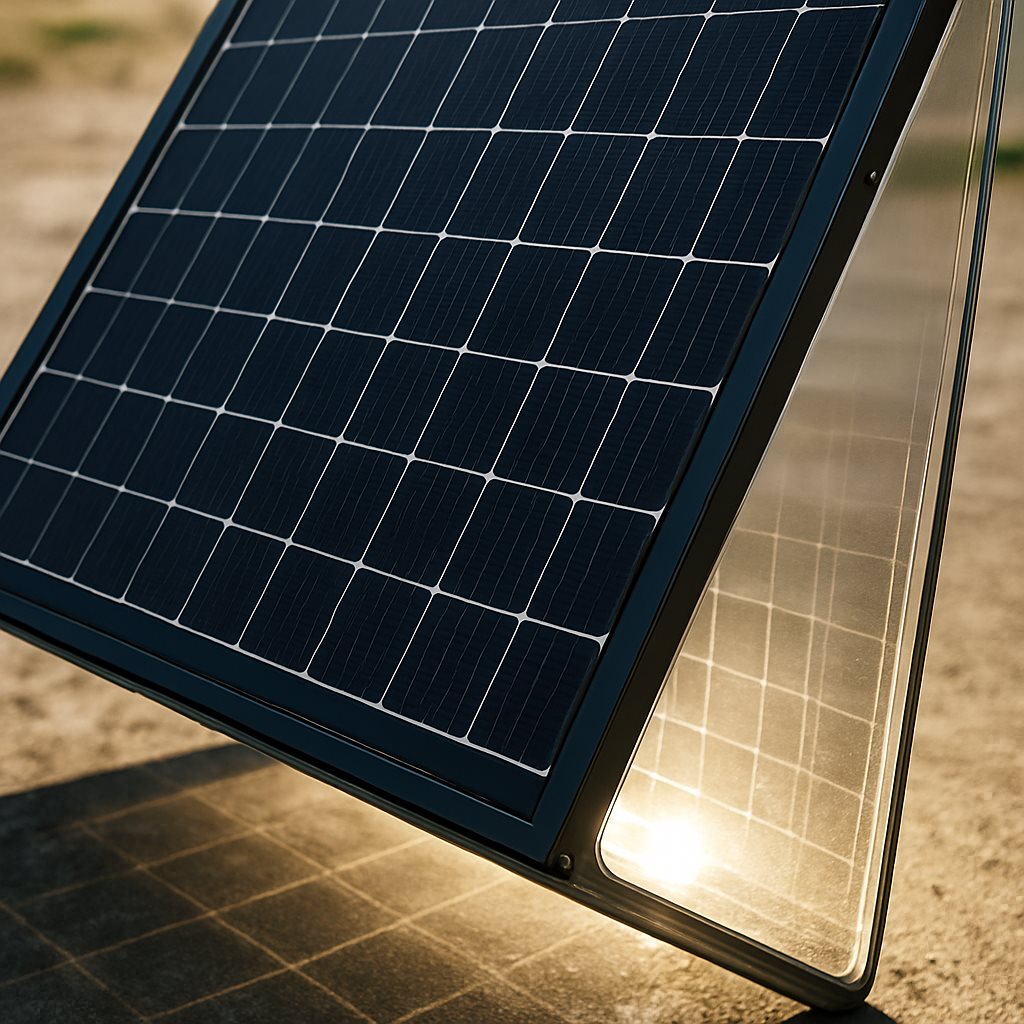
With two generating surfaces, soiling has more ways to cost you:
- Front-side losses still apply – dust on the front cuts the main output as always.
- Rear-side soiling adds new losses – dirt or the wrong ground conditions reduce the bifacial gain you paid for.
- The upside is bigger – because bifacial panels produce more, the revenue recovered by keeping them clean is proportionally larger too.
In short, the case for consistent cleaning is even stronger on bifacial arrays than on standard ones.
The Rear-Side Challenge
The rear face is the harder part. It is less accessible, and manual crews rarely clean it thoroughly. Ground conditions matter as well – dust settling on a reflective surface beneath the panels erodes the bifacial gain. Any serious maintenance plan for bifacial arrays has to account for both faces, not just the front.
How Robotic Cleaning Keeps Bifacial Arrays Producing
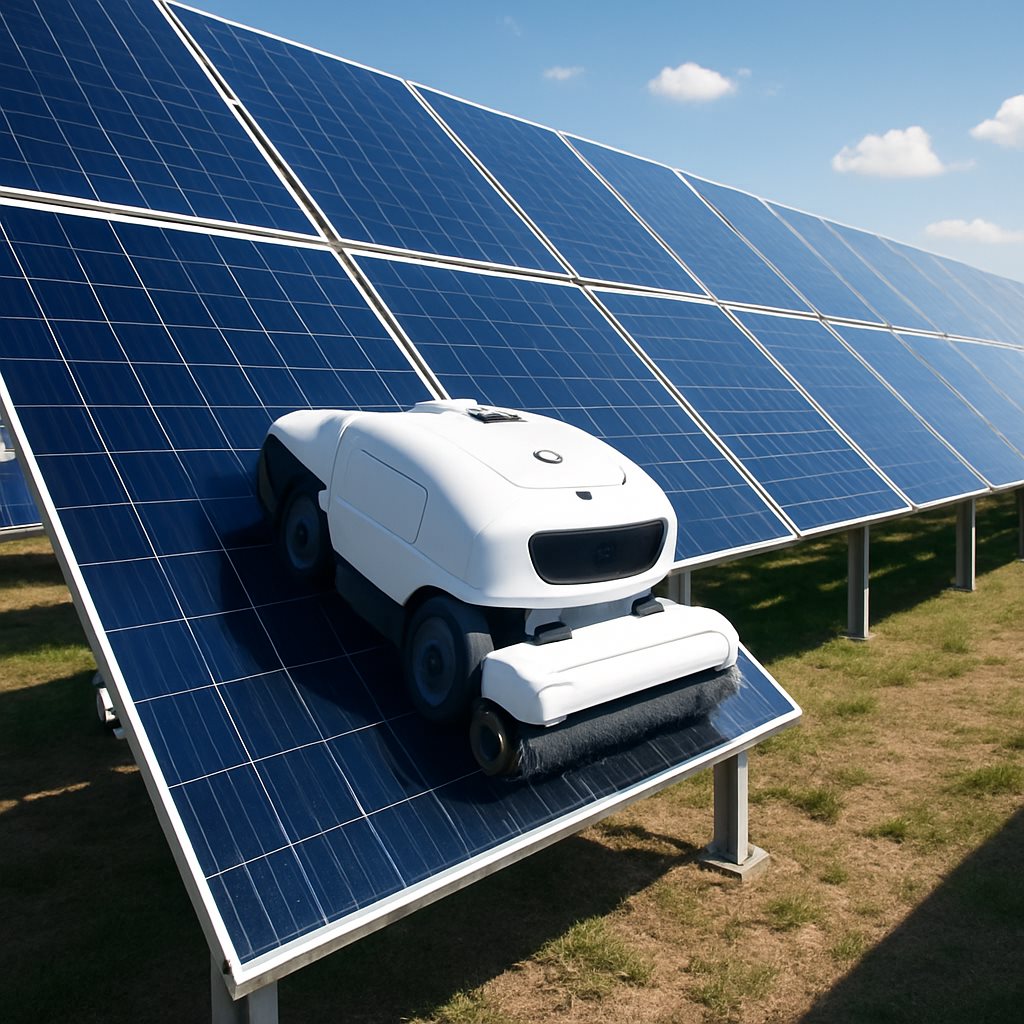
Consistent, automated cleaning is well suited to bifacial economics. Frequent robotic cleaning keeps the front face at peak output, and because bifacial projects are usually large ground-mounted installations, they benefit most from rail-free, autonomous systems that scale across a big footprint – see our ground-mounted solar cleaning solution and the mechanics on our how it works page. The larger output of bifacial panels also strengthens the ROI of autonomous cleaning, since every point of recovered yield is worth more.
Best Practices for Bifacial Maintenance
Keep the front face consistently clean on a condition-based schedule, manage ground conditions to protect the bifacial gain, and treat cleaning as a core part of the O&M plan rather than an afterthought. The right frequency, as always, follows real soiling rather than a fixed calendar – see our cleaning frequency guide.
The Bottom Line
Bifacial panels reward good maintenance and punish neglect more than standard panels, because two surfaces and a bigger output are at stake. Consistent, automated cleaning protects the extra yield you invested in. To keep a bifacial array at peak performance, request a demo.
Frequently Asked Questions
Do bifacial solar panels need more cleaning?
They benefit more from consistent cleaning, because both faces generate power. Front-side soiling cuts the main output while rear-side conditions affect the bifacial gain, so the cost of neglect is higher.
How do you clean the back of a bifacial panel?
The rear face is less accessible and often under-cleaned manually. Keeping the front consistently clean and managing ground conditions beneath the array are the practical levers for protecting bifacial output.
Does soiling hurt bifacial panels more than standard panels?
In effect, yes. Because bifacial panels produce more, the same soiling removes a larger absolute amount of energy, so the return from cleaning is proportionally greater.
Are robotic cleaners suitable for bifacial arrays?
Yes. Bifacial projects are usually large ground-mounted installations, which are exactly where rail-free, autonomous cleaning scales best and keeps the front face at peak output.
How often should bifacial panels be cleaned?
On a condition-based schedule set by real soiling rather than a fixed calendar, since bifacial economics make consistent, frequent cleaning especially worthwhile.